50+ years of manufacturing experience
Deeply involved in equipment manufacturing for over half a century
About Us
Deeply involved in equipment manufacturing for over half a century
Global manufacturing layout
Stable quality management and manufacturing standards
Global Markets and After-Sales Service Network
Large-scale machinery assembly
Integration of electrical control and control systems
Flexible Sheet Metal Production Line | New Energy Automation
Smart warehousing | Smart logistics integration
A good piece of equipment is never just a collection of specifications.
True R&D capability lies in understanding the needs of the manufacturing site, integrating mechanical, control, and processing technologies with automation, and ultimately transforming them into stable, efficient equipment that truly creates value for customers.
For Tailift , research and development is not the work of a single department, but rather the engineering capabilities accumulated over more than half a century by continuously crossing different industrial sectors.
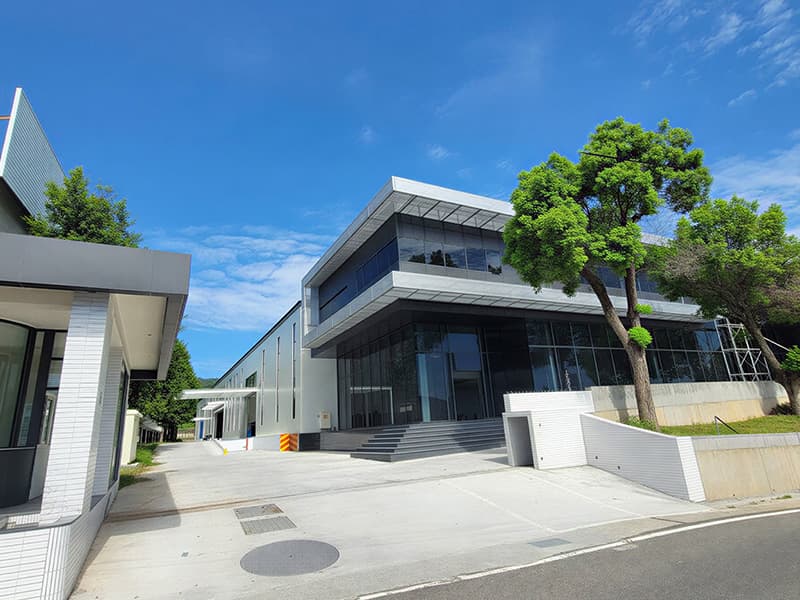
01|50 Years of Engineering Evolution
Tailift's engineering history began with rotary drilling machines in the 1970s.
Starting with traditional machine tools, our R&D field has gradually expanded into material handling equipment, CNC turret punch presses, laser cutting, CNC bending machines, and automation equipment.
Each time we enter a new product area, it's not just about adding a new product, but about taking on a new engineering challenge — re-understanding different mechanical structures, power systems, control technologies, processing requirements, and usage environments, and then integrating these technologies into industrial equipment that can be mass-produced, operated long-term, and serve the global market.
Among them, Tailift Tailift's forklift business has grown into a leading forklift manufacturer in Taiwan, and in 2015 it entered into a strategic partnership with Toyota Industries Corporation. Toyota Industries also highly valued Tailift's capabilities in product development, production, and responding to different market demands at the time.
This journey has left behind more than just a once-successful product business. More importantly, it has instilled in Tailift an engineering DNA — learning new technologies, integrating different engineering fields, and truly transforming technology into competitive products.
Today, this engineering capability is continuously invested in the research and development of next-generation sheet metal processing equipment.
02|Customer-Driven Engineering
We believe that truly valuable innovation should not only occur in the research and development lab. It should begin in the customer's factory.
Different industries, materials, plate thicknesses, workpieces, and production modes all have different processing requirements . Speed, precision, stability, ease of operation, equipment utilization, and manpower allocation—each of these directly impacts a customer's production costs and competitiveness.
Therefore, Tailift 's R&D is not just about pursuing higher specifications, but rather starting from actual manufacturing needs: What problems do customers encounter? Which process can be made more efficient? What design makes operation simpler? How can the equipment maintain stability during long-term production? And how can customers achieve higher production efficiency with a more reasonable investment?
On-site experience from customers, business, and service teams is continuously fed back into R&D, becoming an important basis for the next improvement and product development.
Because the best machines are not developed around. They are developed around the people who use them.
03|Integrated Engineering Capability
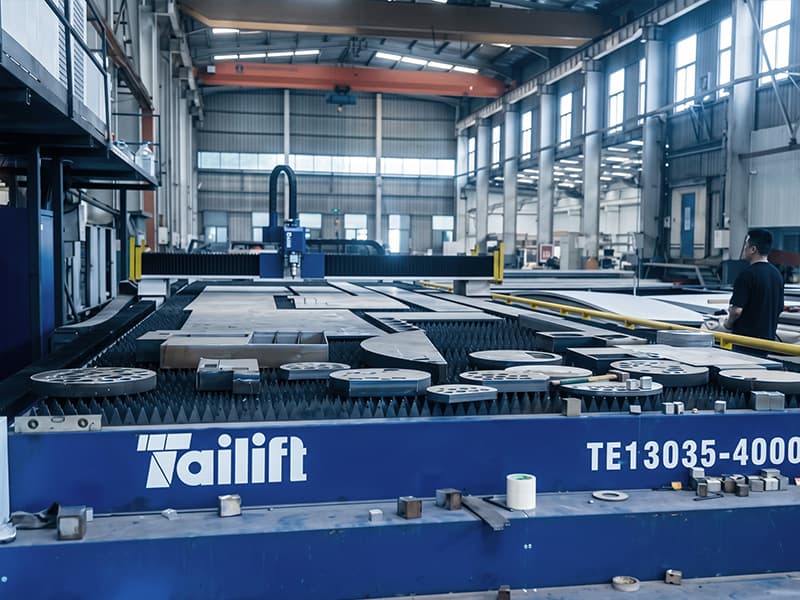
The performance of modern sheet metal processing equipment is no longer determined by a single part.
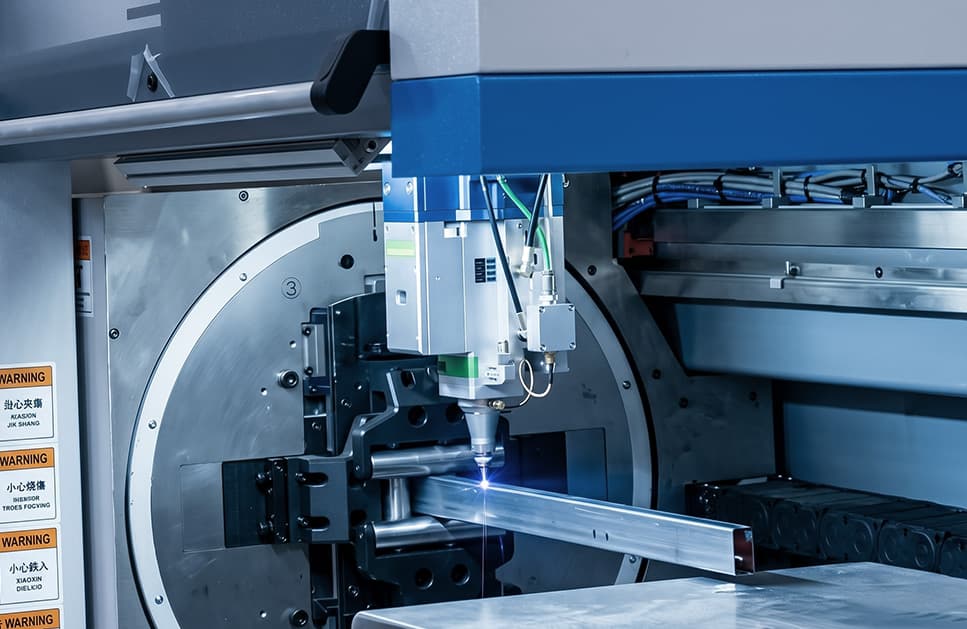
Mechanical structure, motion control, electrical control system, laser processing technology, automation, and the coordination between software and system all affect the final processing performance.
Therefore, Tailift's approach to R&D is not to treat each technology separately, but to view the equipment as a complete system.
From mechanical design and structural rigidity to control, motion performance, processing parameters, ease of operation, and integration with automated equipment, every aspect must work together.
We are not pursuing the optimization of a single component, but the optimization of the entire device.
Because what is actually delivered to the customer is never a beautiful specification sheet, but a piece of equipment that must be produced continuously every day.
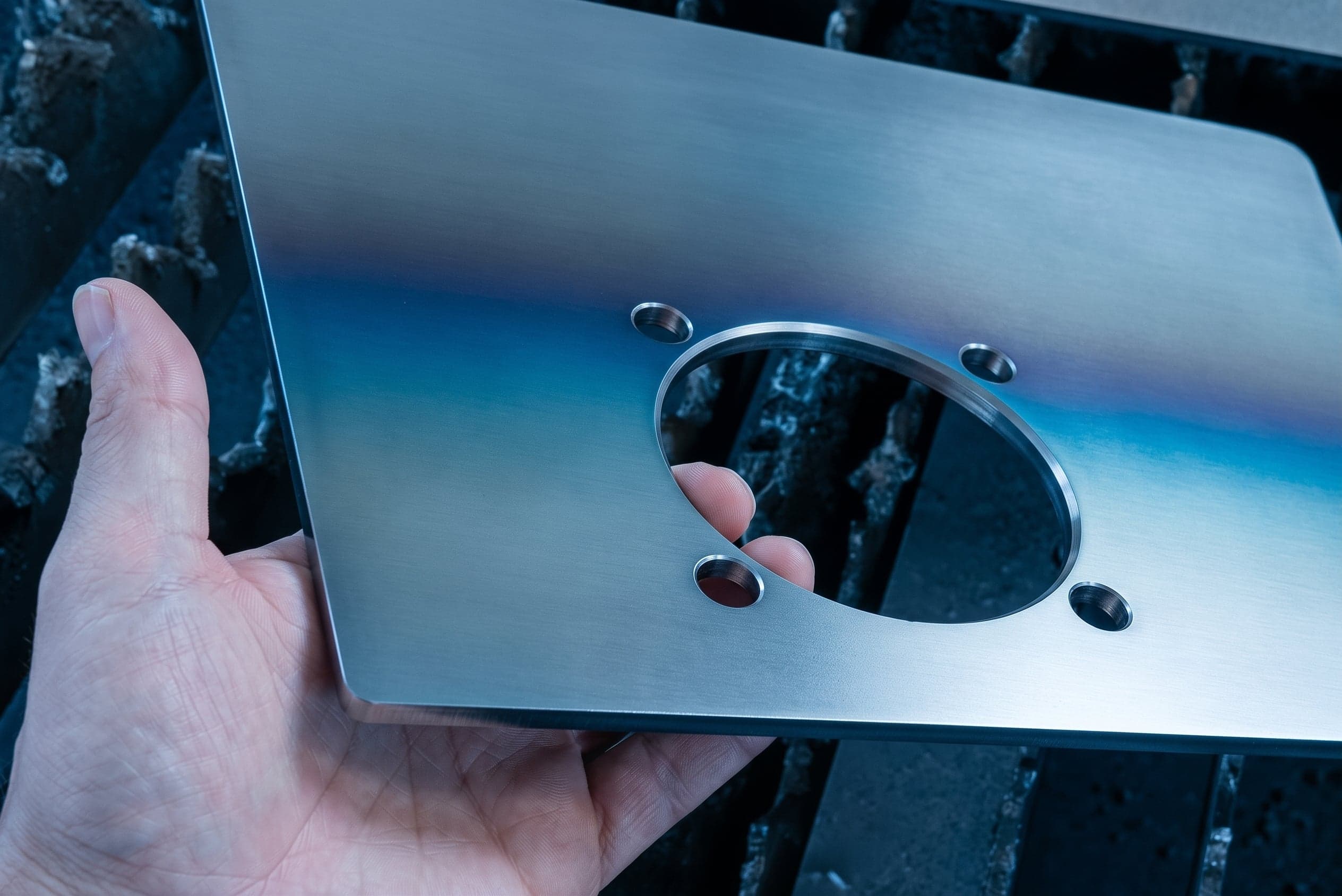
04|Application Know-how
Being able to build machines and truly understanding processing are two different things.
The same laser equipment may require completely different processing conditions depending on the material, thickness, workpiece, and quality requirements.
Therefore, Tailift 's R&D extends beyond the equipment itself. We focus more on what happens after the equipment is deployed in a real manufacturing environment: How to make cutting more stable? How to balance speed and quality? How to reduce unnecessary waiting time? How to make the equipment easier for operators to master? And how to improve overall productivity through equipment and process improvements?
Technology has value only when it improves manufacturing.
This is also the most important standard for us to measure research and development results.
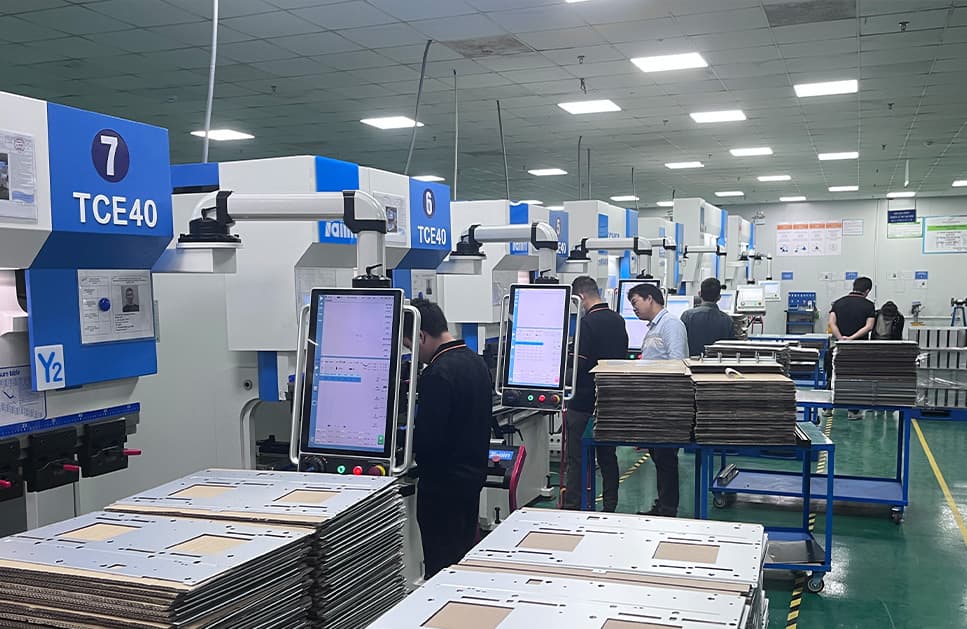
05|Engineered for Productivity
Higher speeds, greater power, and more advanced control technologies are not the end point of research and development.
What customers really need is: higher equipment utilization, more stable processing quality, simpler operation, less non-productive time, and more competitive production costs.
Therefore, with every design improvement, we return to the most fundamental question: Does it make manufacturing better?
If a technology cannot truly improve production, it should not exist merely to add specifications.
This is also Tailift's understanding of Practical Innovation—innovation for the sake of production, not for the sake of technology.
Research and development never ends.
The completion of a single piece of equipment does not signify the end of research and development. The actual manufacturing process is where the next innovation begins.
Customer experience, issues observed by the service team, demands from different markets, and advancements in manufacturing technology all come back into our R&D system.
This cycle has been going on in Tailift for over half a century.
From the first rotary drilling machine to forklifts ; from CNC punch presses to today's laser cutting, bending, and automation equipment, the products have constantly changed, but one thing has remained constant:
We use cookies
We use cookies to keep this site working and to understand how it's used. See our Privacy Policy
